
Gemstone comparison
Ruby vs Rubellite Tourmaline
Two stones buyers often weigh against each other. Here is how Ruby and Rubellite Tourmaline compare on durability, colour, origin and value — and how to choose.
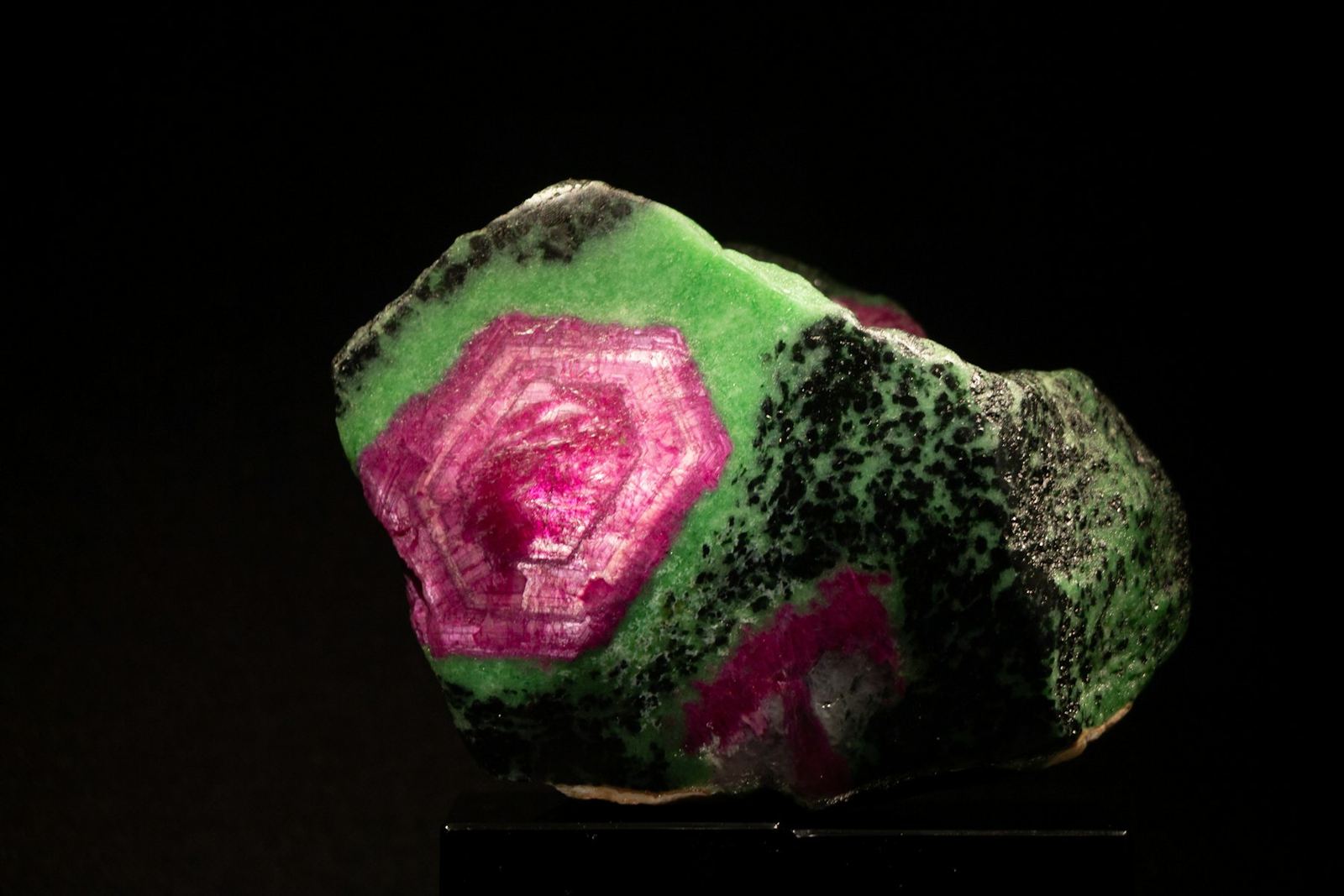
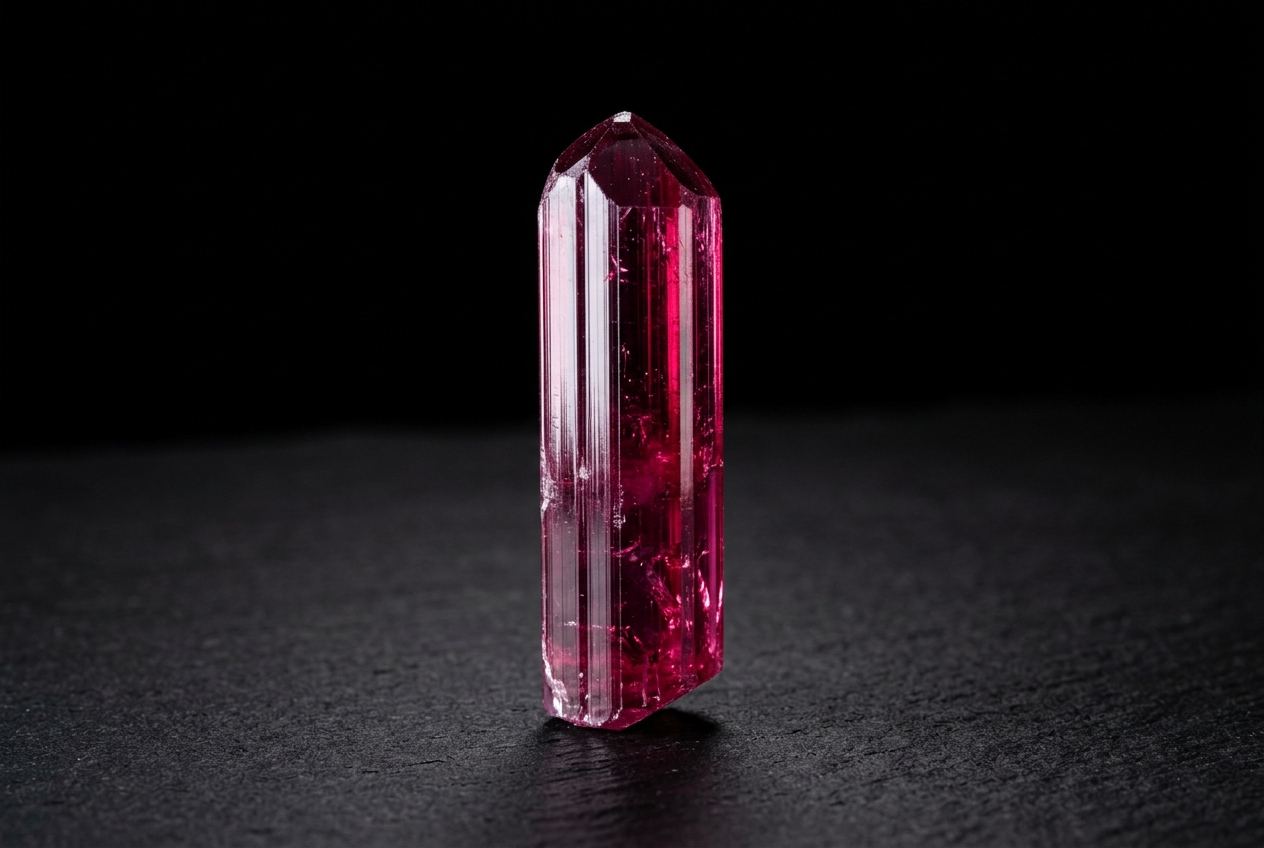
Side by side
Our verdict
Ruby vs Rubellite Tourmaline
Durability
Ruby is the harder stone (9 vs 7 – 7.5 on the Mohs scale), so it resists scratches better in rings and daily wear. Rubellite Tourmaline still suits jewellery when set protectively.
Value
Ruby generally commands the higher price per carat. Rubellite Tourmaline offers comparable presence at a more accessible level, which is why many buyers consider it the smart alternative.
Colour
Ruby: Red to purplish red, coloured by chromium. Rubellite Tourmaline: Vivid raspberry to purplish red that stays red under artificial light.
Which to choose
Choose Ruby if Corundum pedigree and provenance from Mozambique · Myanmar · Tanzania matter most to you. Choose Rubellite Tourmaline for Tourmaline (elbaite) character and material sourced from Nigeria · Mozambique · Brazil · Madagascar. SOMSTONE documents origin and treatment for both.
Other comparisons