
Origins · East Africa · Market
Why East Africa Is the Centre of the Coloured Gemstone World
From Tanzanian tanzanite to Mozambican ruby and Kenyan tsavorite, the Mozambique Belt has reshaped where fine colour comes from — and how it is traded.
September 27, 2026 · 2 daqiiqo akhris · SOMSTONE
Maqaalkan hadda waxaa lagu heli karaa Ingiriisi kaliya.
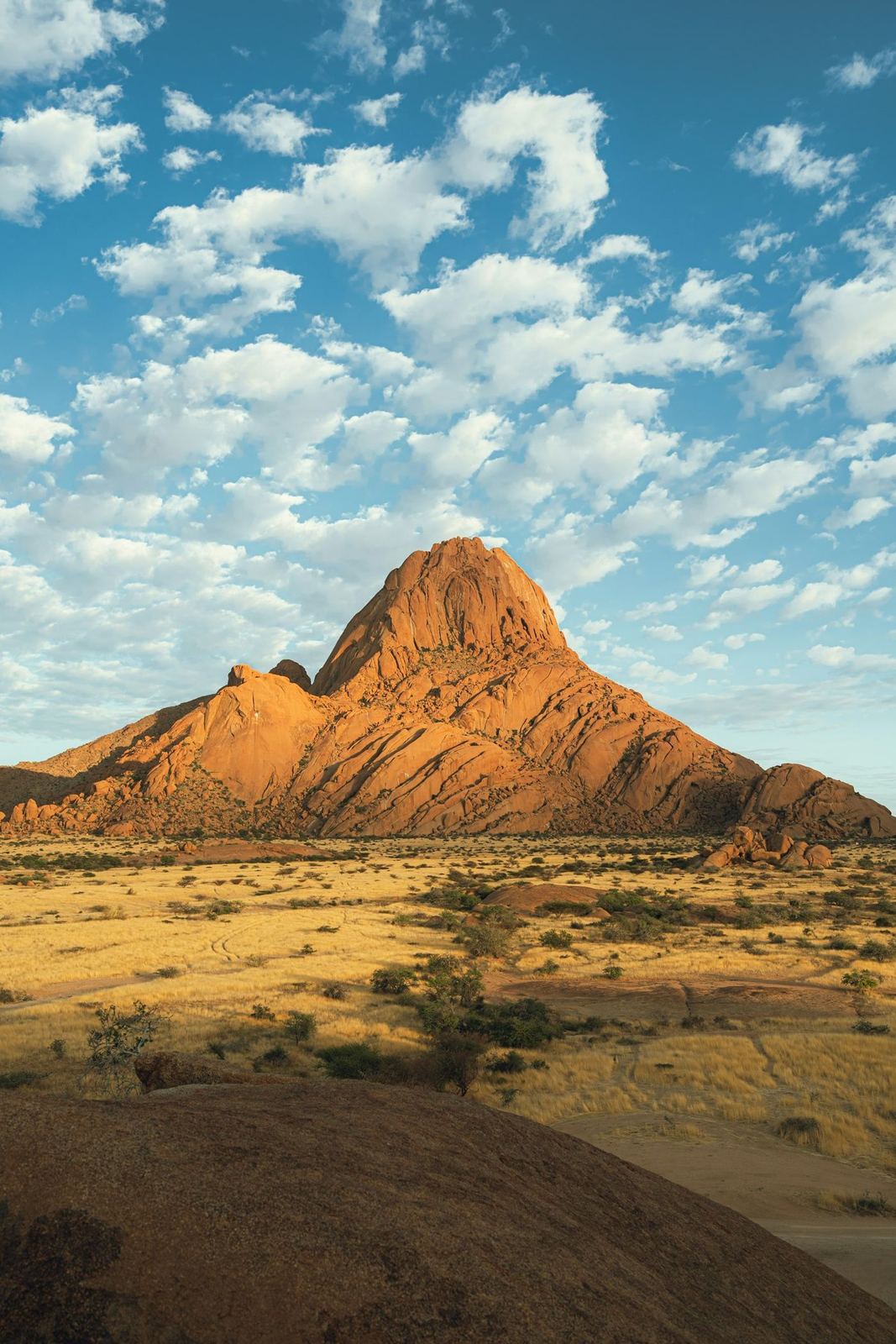
The geology beneath East Africa is unlike anywhere else on earth. The Mozambique Belt — a band of ancient metamorphic rock running from Kenya through Tanzania into Mozambique and Madagascar — was formed under the extreme heat and pressure of continental collision more than 500 million years ago. Those conditions are exactly what coloured gemstones need.
What the belt produces
- Ruby from Montepuez in northern Mozambique, discovered in 2009 and now the single largest ruby source in the world.
- Tanzanite, found only in a few square kilometres near Merelani, Tanzania — a true single-source gem.
- Tsavorite garnet from the Kenya–Tanzania border, prized for a green that needs no treatment.
- Sapphire, spinel, rhodolite and alexandrite from a string of smaller deposits across the region.
Why it matters for buyers
For most of the twentieth century, colour meant Burma, Ceylon and Colombia. Today more than half of the world's newly mined ruby comes from Mozambique, and East African material sets prices at every major auction and trade fair.
The shift has a practical consequence: traceability is now possible. A stone that leaves a licensed East African mine can be documented from the pit through inspection, cutting and export. That paper trail — not just the colour — is what serious buyers increasingly pay for.
SOMSTONE's position
We work directly with licensed miners and cooperatives across the belt. Every parcel we present has been inspected in-house and can be traced to its source, so you buy the stone and its story.
Nala hadal
Ma raadinaysaa dhagax gaar ah ama aragti suuq? Su'aal kasta waxaan akhrinaa.
Bilow wada-hadal